Easy Crochet Floral Skirt: Free Beginner Pattern Guide
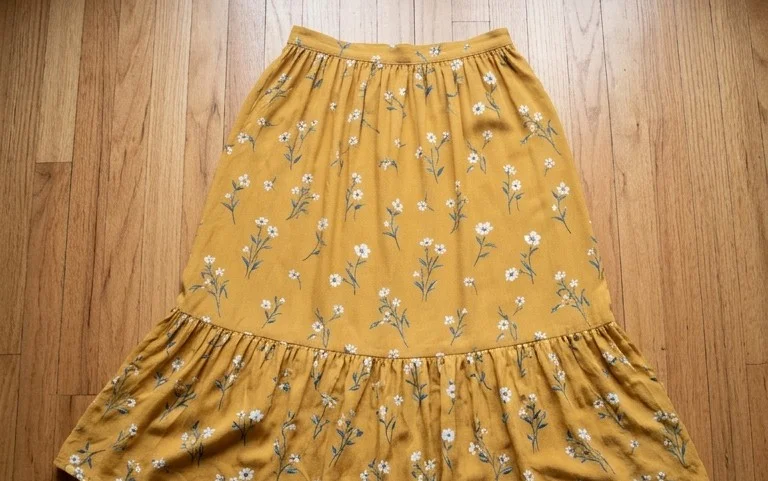
Soft cotton flower motifs give this skirt a light, textured look, with small petals that stand out against the spaces between them. Once the motifs are joined, the fabric has an easy drape and a handmade feel that works for warm days, festivals, or a relaxed weekend outfit. This project suits crocheters who are comfortable with basic stitches, and patient beginners can take it one flower at a time. It also makes a thoughtful gift for someone who enjoys handmade clothes. You’ll learn how to crochet floral motifs, join them into skirt panels, and finish the top with a comfortable waistband. The repeat is satisfying to watch grow, and you can choose colors that make the flowers subtle or bold.
Why You’ll Love This Pattern
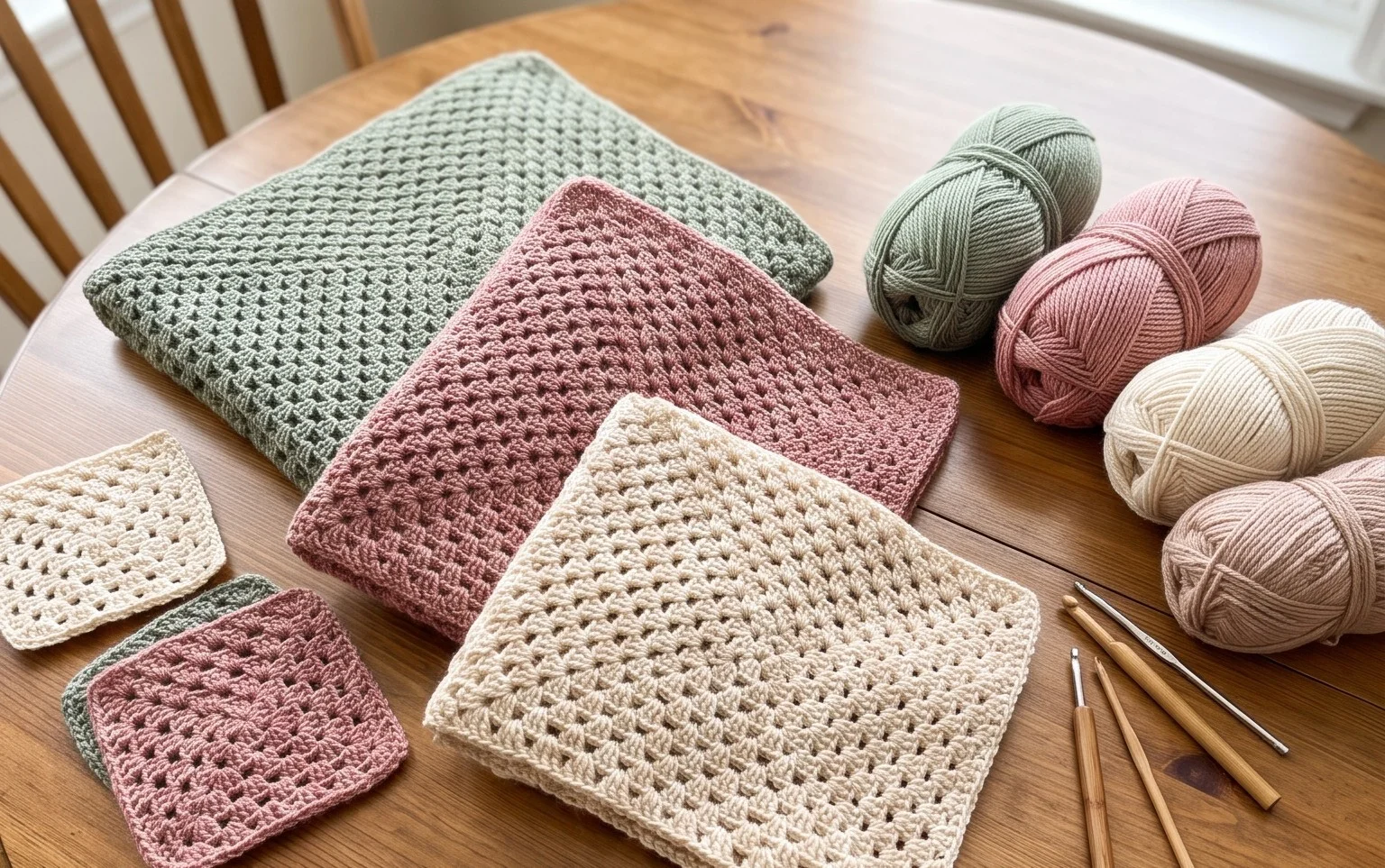
A firm cotton single-crochet fabric makes a practical dishcloth that can handle daily washing and repeated use. This beginner-friendly project uses one stitch throughout, so you can focus on keeping your edges straight and your tension even. It works up in a few hours, uses less than one small ball of cotton yarn, and is easy to take along when you want a simple project.
The plain texture is useful for wiping counters and washing dishes, and the finished cloth also makes a handy handmade gift. Cotton scraps can work if you have enough yarn in the same weight to finish the piece.
I made this cloth over a weekend, and the clear row count helped me keep the sides neat. It feels sturdy after washing and is useful at the sink.
— Nora, home crocheter
Pattern Overview & Skill Level
- Skill Level: Beginner. You need to know how to chain and single crochet.
- Approximate Time: 2 to 3 hours, depending on your pace and tension.
- Construction: A flat rectangle worked back and forth in rows, with no seams or border to join.
- Finished Dimensions & Sizing: About 8 inches wide by 6.5 inches tall (20 by 16.5 cm) when made to gauge.
The cloth is intentionally simple, so measure your gauge before starting if you want to match the stated size. A tighter or looser hand will change the finished dimensions and the amount of yarn used.
Materials & Supplies Needed
- Yarn: About 75 yards of medium-weight cotton yarn, also called worsted weight or #4. Choose one color, or use a coordinated cotton scrap yarn with enough yardage.
- Hook: 5.0 mm (US H-8). Use the hook that gives you a firm but flexible fabric at the stated gauge.
- Notions: Tapestry needle for weaving in the two yarn ends, scissors, and a ruler or measuring tape.
- Substitutions: A cotton and bamboo blend can be used, though it may feel softer and stretch more when wet. Acrylic is less absorbent and may not scrub or dry like cotton. Different fibers and yarn thicknesses can change the size, texture, and yardage needed.
Stitch Guide & Abbreviations (US Terms)
- ch: Chain.
- sc: Single crochet.
- st: Stitch.
- sts: Stitches.
For a single crochet, insert the hook into the stitch, yarn over and pull up a loop, then yarn over and pull through both loops. The chain at the start of each row is a turning chain only; it does not count as a stitch.
Gauge: 4 single crochet stitches and 5 rows measure about 1 inch (2.5 cm) in the fabric. To check, crochet a small swatch, then measure across its center. If you have more stitches per inch, try a larger hook; if you have fewer, try a smaller hook.
Step-by-Step Pattern Instructions
Dishcloth
- Foundation: Chain 33. Keep the chain relaxed so the first row does not pull in.
- Row 1: Single crochet in the second chain from the hook and in each chain across. Turn. (32 sts)
- Rows 2–32: Chain 1, single crochet in each stitch across, then turn. Repeat for every row through Row 32. (32 sts each row)
After Row 32, the cloth should measure about 8 inches wide and 6.5 inches tall at gauge. If it is noticeably shorter, add rows before fastening off and note that the extra length will use more yarn.
Finishing
Cut the yarn, leaving a tail long enough to weave in, and pull the tail through the last loop to fasten off. Thread the tail onto a tapestry needle and weave it through the backs of several stitches on the same edge. Change direction once to help secure it, then trim the remaining tail. Weave in the foundation end in the same way. Lay the cloth flat and gently smooth the edges.
Care & Washing Instructions
- Wash cotton in cool or warm water, up to 40°C (104°F), with similar colors.
- Dry flat or tumble dry on low heat; laying it flat helps the cloth keep its shape.
- Reshape the edges while damp and let the cloth finish drying flat; follow the yarn label if its care instructions differ.
Pro Tips & Common Mistakes to Avoid
- Keep your starting chain and turning chains loose enough to match the body of the cloth. A tight foundation can make the bottom edge narrower than the top.
- Count the stitches at the end of each row. It is easy to miss the first or last stitch when the turning chain does not count as a stitch.
- Weave in each end through the backs of stitches, then change direction before trimming. This helps prevent the tail from working loose during washing.
- To make the cloth wider, add chains to the foundation and work one single crochet into each chain after the first. To make it taller, add rows. Either change increases yarn use, so keep extra cotton nearby.
Frequently Asked Questions
Can I use a different yarn fiber for this dishcloth?
Yes, but the cloth’s performance will change. Cotton absorbs water well and holds up to frequent washing. A bamboo blend is softer and may stretch, while acrylic is less absorbent. Check the yarn label and make a small swatch to see how the fabric feels.
How can I make the cloth larger or smaller?
For a different width, change the foundation chain and single crochet into each chain after the first. For a different height, work more or fewer rows. Your stitch tension and yarn weight also affect the finished measurements, and a larger cloth needs more yarn.
Is this pattern suitable for a first crochet project?
Yes. It uses only chains and single crochet stitches worked in straight rows. Check the stitch count at the end of each row so the sides stay even, and use a ruler to compare your fabric with the gauge.
Can I sell dishcloths made from this pattern?
Check the designer’s terms before selling finished items, and follow any requirements for credit or permitted use. If you sell the cloth, describe the yarn fiber accurately so buyers know how to care for it.
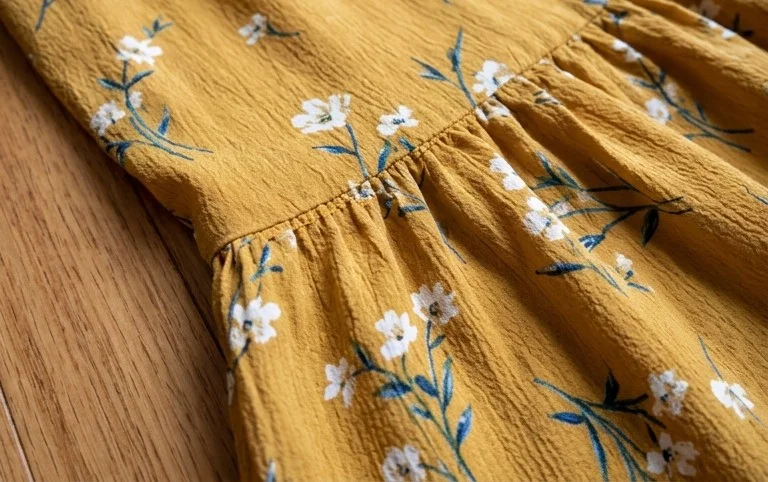
When the final flower is joined and the waistband is finished, you’ll have a skirt with a soft drape and a pattern that shows the care in every motif. For a simple variation, use one shade for all the flowers and a contrasting color for the spaces or waistband. Take a photo in natural light so the stitches and petal details show clearly, then share it on Pinterest or your favorite social media platform. If you enjoyed making this piece, explore more free crochet patterns on the blog for your next project, from small gifts to wearable designs.