Easy Winter Potholders: Free Crochet Patterns to Try
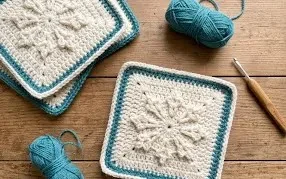
Thick cotton stitches and snowy colors make winter potholders useful at the stove and cheerful on a kitchen hook. This collection of free crochet patterns suits beginners who want steady practice, gift makers planning handmade presents, and anyone who likes seasonal touches that can be used every day. You’ll find ideas for warming up a kitchen with simple winter motifs, textured squares, and classic color combinations. The patterns use familiar crochet techniques, including basic stitches and working in rows or rounds, so you can choose a project that matches your comfort level. As you crochet, you’ll learn how stitch texture and a firm fabric help create a potholder that feels substantial in your hand. Check each pattern’s yarn and construction details, and use cotton rather than acrylic near hot cookware.
Why You’ll Love This Pattern
This square crochet dishcloth uses cotton yarn and a steady single-crochet fabric that can handle everyday washing. Its simple rows make it a good first project for practicing even edges, while the small size is manageable in a few evenings. One ball often provides enough yarn, and the pattern is easy to keep beside the sink or give as a practical handmade gift.
The rows were easy to follow, and I had a useful dishcloth finished by the weekend.
— Maya, beginner crocheter
Pattern Overview & Skill Level
- Skill Level: Beginner. You need to chain and make single crochet stitches.
- Approximate Time: 3–5 hours, depending on your pace and tension.
- Construction: A flat square worked back and forth in rows, with no seams or separate border.
- Finished Dimensions & Sizing: About 7.5 × 7.5 inches (19 × 19 cm) when the stated gauge is met. The finished size may vary slightly with yarn and tension.
Materials & Supplies Needed
- Yarn: About 90 yards (82 m) of worsted-weight #4, 100% cotton yarn. Use one color, or change colors at row ends for stripes.
- Hook Size: 5.0 mm / H-8 crochet hook. If your fabric feels stiff, try a 5.5 mm / I-9 hook; the cloth may finish larger and use a little more yarn.
- Notions: Tapestry needle for weaving in the starting and ending tails, scissors, and a ruler or tape measure. A stitch marker is optional for marking the first stitch of a row.
- Substitutions: Another worsted cotton yarn is the closest substitute. Cotton blends may feel softer or stretchier, while acrylic is less absorbent and may not suit a dishcloth. Check your gauge and expect changes in texture, dimensions, and yardage.
Gauge: 16 single crochet stitches and 18 rows measure about 4 inches (10 cm) in the main fabric. Make a small swatch if matching the finished dimensions matters. Adjust the hook size if your swatch is substantially larger or smaller.
Stitch Guide & Abbreviations (US Terms)
- ch: chain.
- sc: single crochet; insert the hook into the indicated stitch, yarn over and pull up a loop, then yarn over and draw through both loops on the hook.
- st / sts: stitch / stitches.
- rep: repeat the stated instruction.
The turning chain does not count as a stitch. Work the first single crochet into the first stitch of each row, not into the turning chain. This keeps the edges straight and maintains the stitch count.
Step-by-Step Pattern Instructions
Dishcloth
- Foundation: Ch 31. The foundation chain gives you 30 stitches to work into.
- Row 1: Sc in the second ch from the hook and in each ch across. Turn. (30 sts)
- Row 2: Ch 1, sc in each st across. Turn. (30 sts)
- Rows 3–30: Rep Row 2. Turn at the end of each row. (30 sts per row)
After Row 30, fasten off, leaving a tail long enough to weave in, about 6 inches (15 cm). Pull the tail through the final loop to secure it. Thread the tail onto a tapestry needle and weave it through several stitches on the wrong side. Change direction once before trimming so the end is less likely to work loose. Weave in the foundation tail the same way.
Lay the cloth flat and check that the edges are reasonably square. If it measures a little differently from 7.5 inches, that is fine for everyday use. A noticeably trapezoid shape usually means a stitch was missed or added at one row end; count 30 stitches on every row to prevent this.
Care & Washing Instructions
- Wash cotton dishcloths with similar colors in warm water, up to 40°C (104°F), or follow the yarn label if it gives a lower limit.
- Tumble dry on low or air-dry flat; reshape the square while damp.
- Use light steam blocking only if the yarn label permits it, and avoid pressing the hook texture flat.
Pro Tips & Common Mistakes to Avoid
- Keep your chains and single crochet stitches at an even tension. Tight foundation chains can pull the bottom edge inward; if that happens, make the foundation chain with a slightly larger hook, then switch back to the 5.0 mm hook for Row 1.
- Count the stitches at the end of each row. A marker in the first stitch can help you spot the edge, especially if the last stitch is easy to miss.
- Weave yarn tails through the backs of several stitches, then change direction before trimming. Avoid pulling the tail so tightly that it puckers the cloth.
- For a larger cloth, add an even number of foundation chains and work the same number of single crochet stitches across. More stitches and rows require more yarn; a smaller hook makes a denser, smaller fabric.
Frequently Asked Questions
Can I use a different yarn fiber?
Yes, but cotton is absorbent and holds up well to repeated washing, which makes it a practical choice for a dishcloth. A cotton blend may stretch more, and acrylic will absorb less water. Check the substitute yarn’s care label before washing.
How can I make the dishcloth smaller or larger?
Change the foundation chain to adjust the width, then work more or fewer rows to adjust the length. Each foundation chain beyond the turning chain gives one stitch across Row 1. Measure as you go because different yarns and hooks change the dimensions.
Is this pattern suitable for a first crochet project?
Yes. It uses only chains and single crochet stitches worked in straight rows. The main challenge is keeping 30 stitches in every row, so count at the end of each row and check that the side edges stay even.
May I sell dishcloths made from this pattern?
Check the designer’s terms before selling finished items, and credit the pattern source when requested. If you sell the cloth, describe the fiber accurately and include care instructions based on the yarn label.
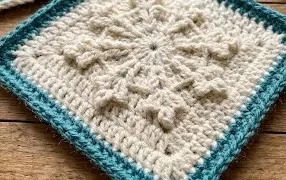
A finished winter potholder brings a small patch of seasonal color to the kitchen, and it’s satisfying to make something that can be used at the stove or given as a handmade gift. For a simple variation, change the colors to suit your kitchen, or work a larger square if the pattern allows and the finished fabric stays firm. Keep in mind that potholders need dense stitches and suitable heat-resistant yarn, so follow each pattern’s material notes before using one with hot cookware. Share a photo of your finished piece on Pinterest or your favorite social media platform. When you’re ready for another project, explore more free crochet patterns on the blog.