Crochet Snowman Ornament: Free Easy Pattern for Beginners
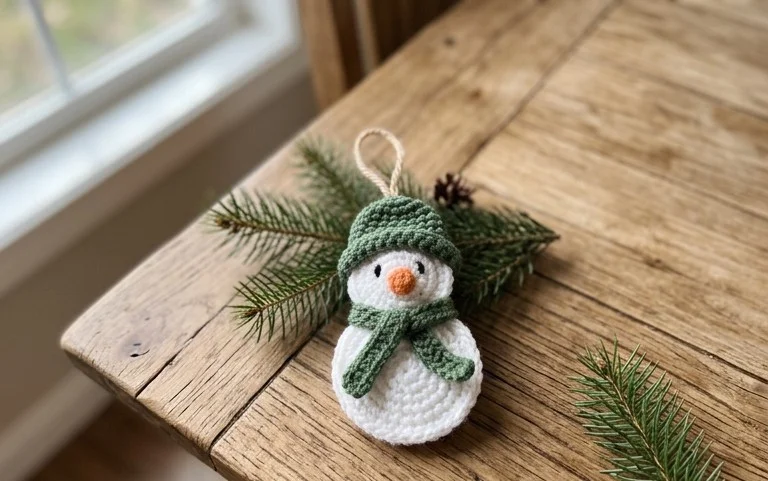
A tiny snowman ornament hanging from a pine branch brings a sense of winter magic into your living room. This project uses soft white acrylic yarn to create a rounded body with a squishy, dense texture that holds its shape year after year. It suits beginners who know basic stitches like the single crochet and the magic ring. You will learn how to increase and decrease circles effectively to achieve that classic stacked look. Spending an afternoon on these ornaments adds a personal touch to your holiday tree or makes a thoughtful gift for neighbors and friends.
Why You’ll Love This Pattern
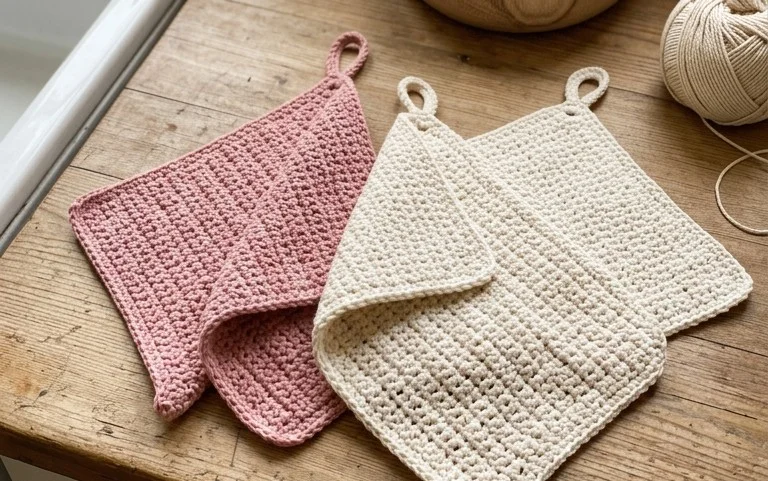
This classic crochet dishcloth is designed to withstand daily kitchen chores while providing a satisfying, rhythmic project that builds muscle memory. The texture created by the combination of single and double crochet stitches provides extra scrubbing power for cleaning surfaces. Because it relies on basic techniques, you can easily complete a full cloth in a single evening while listening to an audiobook or catching up on television. The square construction ensures a consistent shape that is easy to fold and store in small kitchen drawers.
I managed to whip up a set of four of these for my housewarming gifts and they worked up so quickly, yet they feel sturdy enough for serious scrubbing in my kitchen.
— Sarah, home crafter
Pattern Overview & Skill Level
- Skill Level: Beginner
- Approximate Time: 45 to 60 minutes
- Construction: Worked in rows from the bottom up, finishing with a simple chain-stitch border for stability.
- Finished Dimensions & Sizing: 8 inches by 8 inches square.
Materials & Supplies Needed
- Yarn: Worsted #4 weight, 100% cotton yarn. Approximately 80 yards per cloth. Cotton is preferred for its high absorbency and heat resistance.
- Hook Size: 5.0 mm (H-8).
- Notions needed: Tapestry needle for weaving in ends, pair of scissors.
- Safe yarn substitutions: Acrylic yarn is not recommended as it does not absorb water well and can melt if exposed to hot pans. You may substitute with cotton-linen blends, though these may result in a slightly stiffer fabric.
Stitch Guide & Abbreviations (US Terms)
- ch: chain
- sc: single crochet
- dc: double crochet
- st(s): stitch(es)
- sk: skip
- turn: turn your work to begin the next row
- Moss Stitch: A pattern created by alternating single crochet and chain stitches, skipping stitches below to create a woven texture.
Step-by-Step Pattern Instructions
Main Body
The cloth is worked in flat rows, turning at the end of each row. You will work into the chain spaces created in the previous row.
- Row 1: Ch 30. Sc in the 4th ch from the hook. *Ch 1, sk 1 ch, sc in the next ch. Repeat from * until the end of the row. (28 sts).
- Row 2: Ch 2, turn. Sc in the first ch-1 space. *Ch 1, sk 1 sc, sc in the next ch-1 space. Repeat from * until you reach the turning chain. Sc in the turning chain. (28 sts).
- Rows 3-40: Repeat Row 2 until the piece measures 8 inches square. Ensure your stitch count remains consistent at 28 stitches per row.
Border & Finishing
A simple border prevents the edges from curling over time.
- Round 1: Ch 1, turn. Work 3 sc into the final corner st. Evenly space sc stitches around the entire perimeter of the cloth, placing 3 sc in each corner to allow the piece to lay flat.
- Joining: Join with a sl st to the first sc of the round.
- Finishing: Fasten off, leaving a 6-inch tail. Use the tapestry needle to weave the tail back and forth through the back of the stitches to secure it firmly.
Care & Washing Instructions
- Machine wash in cold or warm water with like colors to prevent dye transfer.
- Tumble dry on low heat or lay flat on a clean towel to retain the square shape.
- Avoid using fabric softener, as it coats the cotton fibers and reduces the absorbency of the cloth.
Pro Tips & Common Mistakes to Avoid
Maintaining consistent tension is the most important factor in keeping your edges straight. If your edges are pulling inward, you are likely pulling your yarn too tight on the chain stitches between the single crochets. Use a stitch marker on the first stitch of every row to ensure you do not accidentally skip the final stitch, which is a common cause of triangular-shaped cloths. When weaving in your ends, go in at least three different directions to prevent the yarn from working itself loose after repeated washings. If you want a larger cloth, add chains in multiples of two; remember that each additional inch in size will increase the total yardage required by approximately 10 percent.
Frequently Asked Questions
Can I use a larger hook for this project?
Yes, you can use a 5.5 mm hook to create a looser, more drapey fabric, but the dishcloth will be slightly larger and the stitches will be more open, which may reduce the scrubbing effectiveness.
Is this pattern suitable for someone who has never crocheted before?
This pattern is ideal for beginners because it only uses basic single crochet and chain stitches, which are the fundamental building blocks of almost all crochet projects.
May I sell the dishcloths I make from this pattern?
You may sell finished items produced from this pattern, provided you credit the designer in your shop listing. Do not copy or distribute the text of this pattern online.
How do I adjust the size if I want a washcloth instead of a dishcloth?
To make a smaller washcloth, simply start with a shorter foundation chain using an even number of chains and work fewer rows until you reach your desired dimensions.
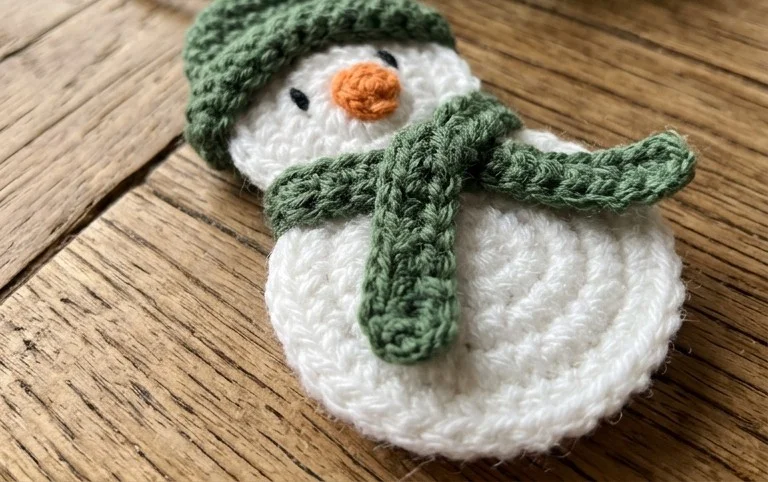
Your finished snowman stands ready to brighten your seasonal decor with its charming stitched face and cozy scarf. If you want to experiment, try swapping the standard white yarn for a sparkly metallic silver thread to give the snowman a snowy shimmer under your tree lights. Taking a quick photo of your work to share on social media helps others find this project. Please browse through the rest of the blog archives for more simple, free patterns that you can complete over a quiet weekend at home.