Cozy Convertible Crochet Mitts for Everyday Layering
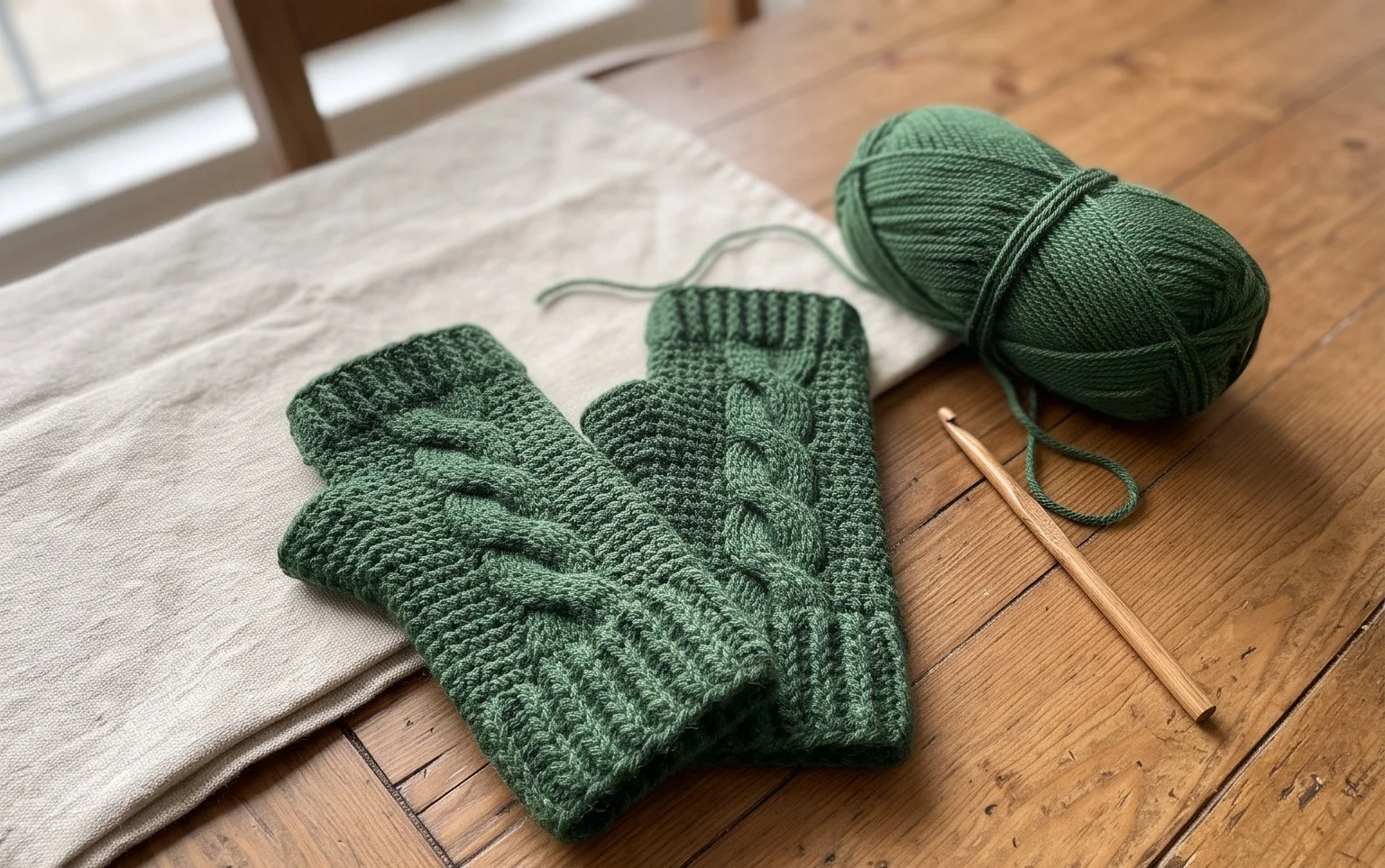
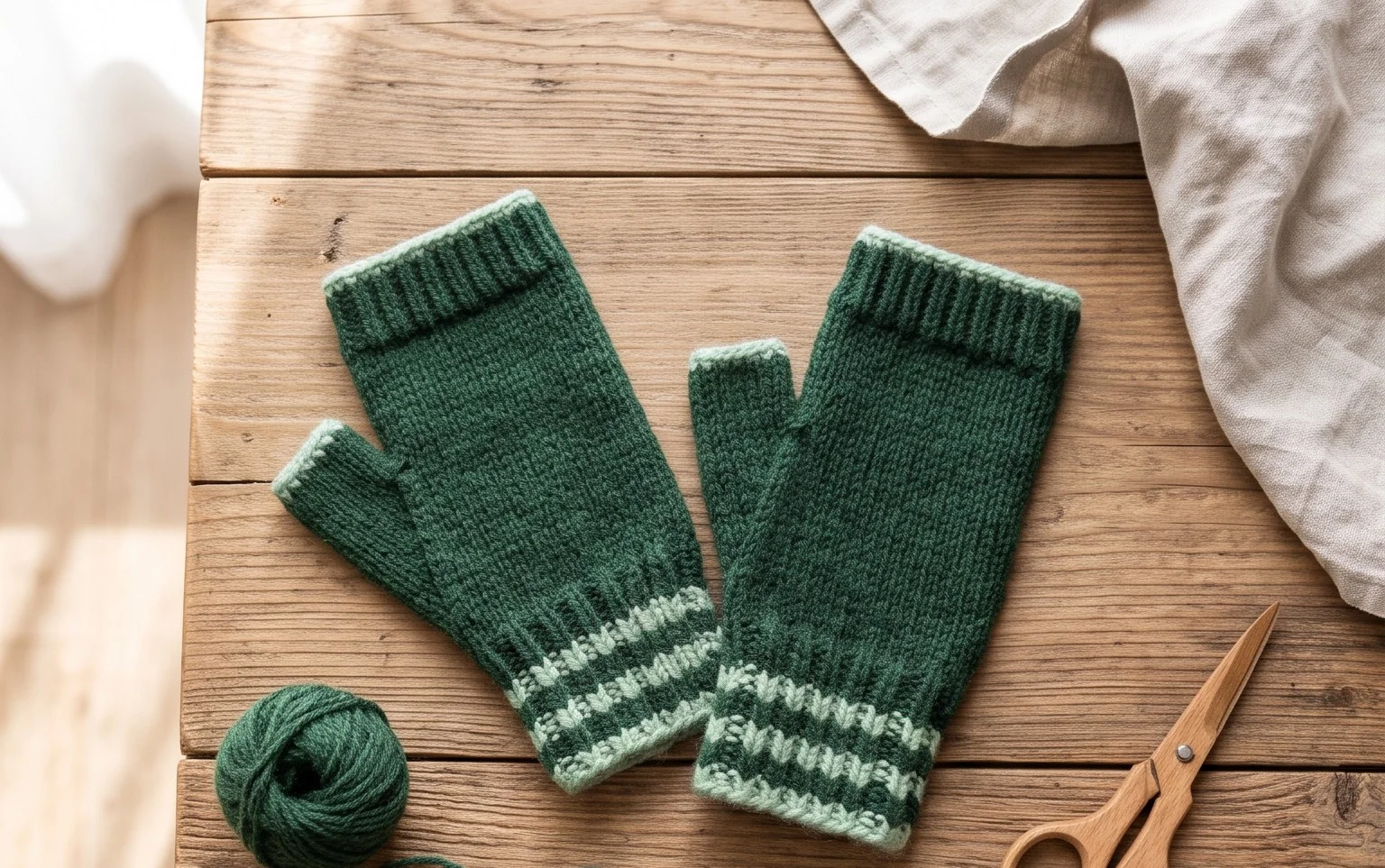
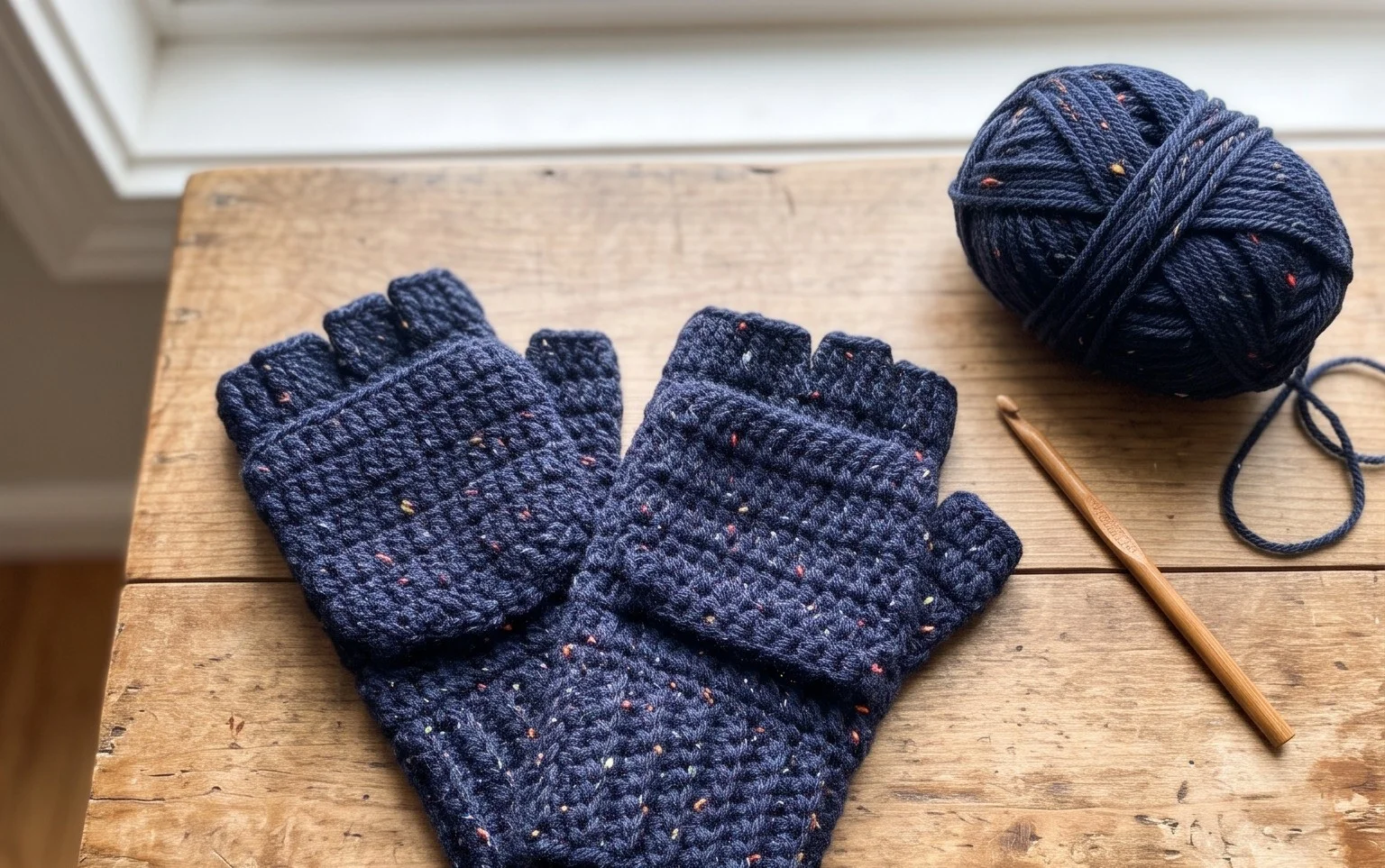
A ribbed cuff keeps these crochet gloves snug at the wrist, while the fold-back mitten covers add warmth when your fingers need a break from the cold. Worn open, they leave your fingertips free for typing, crafting, or reaching into a bag; folded over, they make a cozy layer for chilly walks. The design suits crocheters who want a practical handmade accessory, including beginners ready to practice working in rows or rounds and gift makers planning something useful and personal. You’ll learn how the fingerless glove shape and convertible cover come together, with attention to an even fabric and a comfortable thumb opening. The pieces are satisfying to make because each section has a clear purpose, and a change of yarn color can give a pair a completely different feel.
Why You’ll Love This Pattern
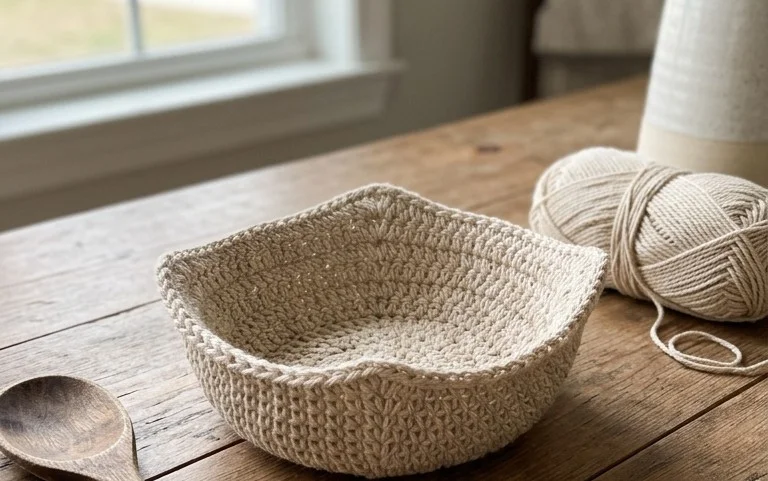
A firm cotton square is handy beside the sink, and its simple single-crochet fabric gives you a steady rhythm from the first row to the last. This dishcloth uses one basic stitch, so it is a manageable project for someone learning to keep row edges even. It also takes less than a full skein, making it a practical way to use leftover worsted-weight cotton. The finished cloth is washable and useful for everyday kitchen cleanup.
Keep the stitch count consistent and the edges will be easier to seam or leave as they are. The pattern is worked flat, with no shaping, color changes, or special finishing techniques.
I made this in an evening and liked having a simple project I could pick up between other chores. My edges stayed neat once I counted each row.
— Lena, home crocheter
Pattern Overview & Skill Level
- Skill Level: Beginner. You need to chain and work single crochet in rows.
- Approximate Time: About 2–3 hours, depending on your pace and tension.
- Construction: A flat square worked back and forth in single crochet, then fastened off and woven in.
- Finished Dimensions & Sizing: Approximately 6.5 × 6.5 in (16.5 × 16.5 cm) after washing and drying flat, using the gauge below.
- Gauge: 16 single crochet stitches and 18 rows measure 4 in (10 cm). Gauge matters for the finished size and yarn use, but a small difference will not affect how the cloth works.
Materials & Supplies Needed
- Yarn: About 90 yd (82 m) of worsted-weight cotton yarn, category #4. One solid color makes it easy to see your stitches; choose a light or medium shade while learning.
- Hook: 5.0 mm / H-8 crochet hook. If your swatch is larger than the stated gauge, try a smaller hook; if it is smaller, try a larger hook.
- Notions: Tapestry needle for the yarn ends, scissors, and a ruler or tape measure for checking gauge.
- Substitutions: Use another 100% cotton yarn of similar weight for a comparable absorbent cloth. Cotton-linen blends can feel slightly firmer, while soft cotton blends may make a more flexible fabric. Avoid acrylic if you want a cloth intended for hot cookware, and check the replacement yarn’s care label.
Stitch Guide & Abbreviations (US Terms)
- ch = chain.
- sc = single crochet. Insert the hook into the stitch, yarn over and pull up a loop, then yarn over and draw through both loops.
- st = stitch.
- rep = repeat.
- RS = right side, the face you choose to show.
- WS = wrong side, the reverse face.
The turning chain does not count as a stitch in this pattern. At the end of each row, work the final single crochet into the last stitch itself, not into the turning chain.
Step-by-Step Pattern Instructions
Dishcloth
- Foundation: With cotton yarn, ch 27. The first 26 chains form the stitches for Row 1; the final chain is the turning chain.
- Row 1 (RS): Sc in the second ch from the hook and in each ch across. Turn. (26 sts)
- Row 2: Ch 1, sc in each st across. Turn. (26 sts)
- Rows 3–29: Rep Row 2 for 27 rows. Keep 26 sc in every row, including the first and last stitch. Turn after each row except Row 29. (26 sts per row)
- Fasten off: After Row 29, cut the yarn, leaving a tail about 6 in (15 cm) long. Pull the tail through the loop on your hook to secure it.
Finishing
Thread each yarn tail onto a tapestry needle. Weave the tail through several stitches on the WS, change direction, and weave through a few more stitches before trimming close. Do not pull the tail so tightly that the fabric puckers. Measure the cloth; it should be close to 6.5 in (16.5 cm) square at the listed gauge. Wash and dry it according to the yarn label before using it in the kitchen.
Care & Washing Instructions
- For 100% cotton, machine wash with similar colors in warm water, up to 40°C (104°F), unless the yarn label gives a lower limit.
- Dry flat or tumble dry on low if the yarn label permits; reshape the corners while the cloth is damp.
- Lay flat to block and smooth the edges by hand. Follow the yarn label if your yarn fiber is unknown or contains a blend.
Pro Tips & Common Mistakes to Avoid
- Keep your tension relaxed enough for the hook to move through the cotton. Tight stitches make the cloth stiff and can reduce its width; check a small swatch before starting if your fabric often comes out dense.
- Count 26 stitches at the end of every row. The most common cause of slanted edges is missing the first or last stitch, so take extra care at both edges.
- Use a removable marker in the first stitch of a row if you lose track of the edge. Move it up as you work, and remove it after the last row.
- For a larger cloth, add chains in pairs and work enough rows to match the new width. A wider or longer cloth uses more yarn, and changing the stitch count without matching the row height can make the result rectangular.
Frequently Asked Questions
Can I use a different cotton yarn weight?
Yes. A lighter yarn makes a smaller, thinner cloth, while a heavier yarn makes a larger, thicker one. Choose a hook recommended for your yarn, then make a small swatch and check the fabric before committing to the full project. Your finished dimensions and yardage will change.
How can I make the dishcloth smaller or larger?
For a narrower cloth, chain fewer stitches; for a wider cloth, chain more. Work rows until the piece is close to square, measuring as you go. A larger cloth needs additional yarn, and a smaller one uses less.
Is this pattern suitable for a first crochet project?
Yes, if you can make a chain and single crochet. The stitch pattern stays the same in every row, so it gives you practice with even tension and finding the first and last stitch. If your edges curve, recount the stitches before continuing.
May I sell dishcloths made from this pattern?
Check the designer’s terms before selling finished items, and follow any credit or usage requirements. Also check the yarn label for care instructions so you can give buyers accurate washing information.
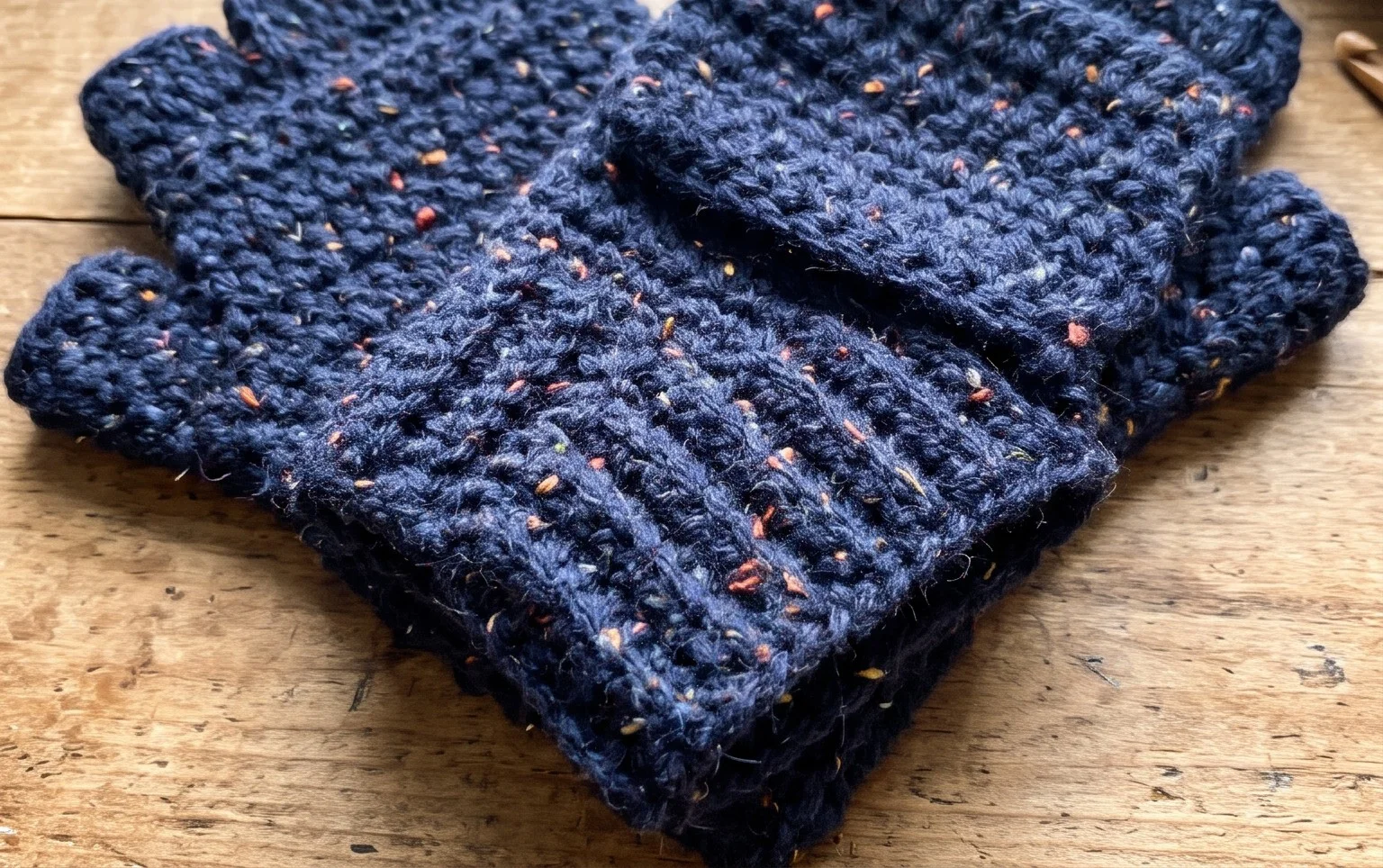
A finished pair gives you two useful ways to keep your hands warm, with the fold-back covers ready for the moments when your fingertips need more protection. For a simple variation, choose a soft wool blend in a favorite color, or use a lighter yarn for a less bulky fit, checking your measurements as you go. If you make a pair, share a photo on Pinterest or your favorite social platform so other crocheters can see your color choice and finished fit. You can also browse more free crochet patterns on the blog for your next small project, whether you’re making a practical accessory for yourself or a handmade gift for someone close.